Common problems with wedding flowers West Green and fixes
Posted on 22/10/2026
Wedding flowers should feel effortless on the day. Fresh, beautiful, properly placed, and exactly in tune with the rest of the celebration. In reality, though, flowers can be one of the trickiest parts of a wedding plan. If you are looking into Common problems with wedding flowers West Green and fixes, you are probably already sensing the usual headaches: blooms arriving late, petals drooping in warm venues, colours clashing with outfits, or a bouquet that looks lovely in the shop and suddenly too small in a bright church aisle.
That is exactly what this guide is for. We will walk through the most common wedding flower problems in West Green, why they happen, how to fix them, and how to avoid them in the first place. You will also find practical steps, a comparison table, a checklist, and answers to the questions couples ask most often. No fluff. Just the useful stuff, honestly.
- Why common wedding flower problems matter
- How wedding flower planning works
- Key benefits and practical advantages
- Who this is for and when it makes sense
- Step-by-step guidance
- Expert tips for better results
- Common mistakes to avoid
- Tools, resources and recommendations
- Law, compliance, standards, or best practice
- Options, methods, or comparison table
- Case study or real-world example
- Practical checklist
- Conclusion
- Frequently asked questions
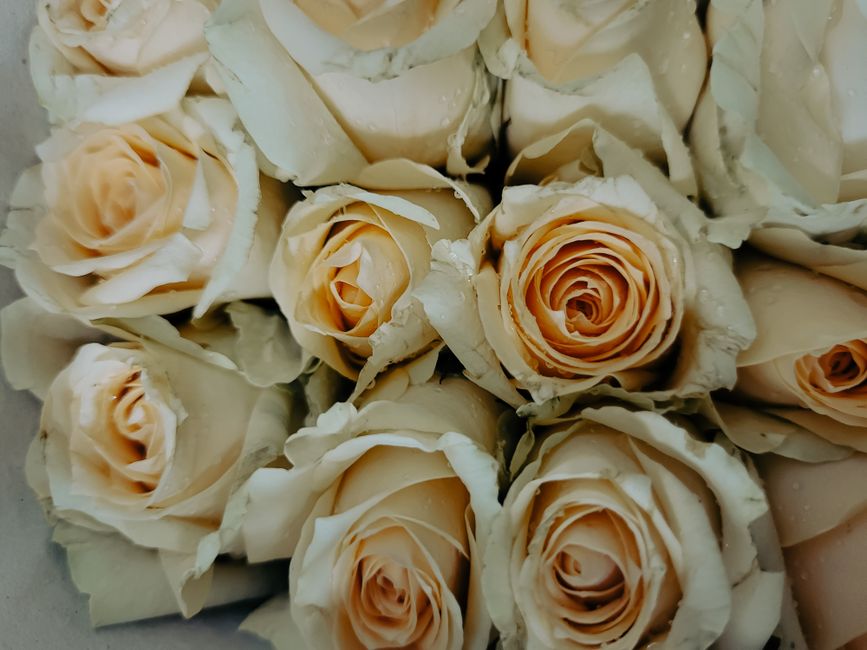
Why Common problems with wedding flowers West Green and fixes Matters
Wedding flowers do far more than decorate a room. They set the tone before guests even sit down. They appear in nearly every important photograph. They can make a small venue feel polished, soften a modern hall, or bring warmth into a simple ceremony space. So when something goes wrong, it is not a tiny detail. It can change the look and feel of the whole day.
In West Green, couples often have to think about a mix of venue types, travel time, seasonal availability, and London logistics. A bouquet might need to survive a quick journey across town. A large installation might need to be set up before guests arrive. A buttonhole needs to stay neat through hugs, handshakes, and a bit of movement. Truth be told, flowers have a lot to do.
The good news? Most floral issues are preventable if you know what to watch for. And if a problem does crop up, there is usually a sensible fix. Sometimes it is about choosing hardier flowers. Sometimes it is about better timing. Sometimes it is simply about asking the right questions early enough.
Expert summary: Most wedding flower problems are not caused by bad taste. They usually come from timing, temperature, transport, or poor planning around venue conditions. Get those right, and the rest becomes much easier.
How Common problems with wedding flowers West Green and fixes Works
The basic process behind wedding flowers is straightforward, but there are a lot of moving parts behind the scenes. First comes the design stage, where you decide on the style, colours, flower types, and priority items such as the bridal bouquet, bridesmaid bouquets, ceremony flowers, buttonholes, and table arrangements. Then comes sourcing, conditioning, arranging, transport, and on-the-day placement.
Problems tend to appear at any of those points. A design can look stunning on paper but fall short if the venue is hot, if the flowers are delicate, or if the setup window is too short. A flower choice that works well in winter may struggle in summer. A pale ivory bouquet can disappear in photos if the lighting is very bright. A tall centrepiece can block sightlines across the table. You get the idea.
That is why the best approach is not just choosing pretty stems. It is planning for real life. Not glamorous, perhaps, but much better than watching roses droop while everyone is trying to start dinner. If you want a local starting point, browsing a dedicated wedding flowers West Green N15 page can help you narrow the style and service options that suit your day.
One more practical note: wedding flower planning usually works best when you think in layers. First, the must-have pieces. Then the nice-to-have extras. Then the backup plan. That small bit of discipline saves a lot of stress later.
Key Benefits and Practical Advantages
Solving common flower issues before the wedding is not just about avoiding disaster. It also creates some very real benefits that couples notice immediately.
- Better-looking photos: Flowers that are the right size, colour, and shape frame faces well and keep images cohesive.
- Less last-minute stress: When delivery, setup, and venue timing are planned properly, the morning feels calmer. And everyone needs that.
- Longer-lasting arrangements: Right flowers, right treatment, right conditions. Simple in theory, a bit fiddly in practice, but worth it.
- More value from the budget: You spend more effectively when you know which elements matter most.
- Better guest experience: Good floral design helps a venue feel warm, welcoming, and intentional.
There is also a trust benefit that couples often overlook. When flowers are handled well, it reassures everyone that the event is under control. It is one of those invisible wins. No one says, "What excellent floral logistics." They just relax and enjoy the room.
For couples who want the whole wedding look to feel polished, coordinating flowers with other decorative details can help too. A few people also choose wedding table arrangements alongside the bouquet and ceremony flowers so the visual style stays consistent from aisle to reception.
Who This Is For and When It Makes Sense
This guide is for anyone planning a wedding in or around West Green who wants the flowers to look beautiful and behave themselves on the day. That includes couples planning small registry-style celebrations, larger receptions, church ceremonies, or venue weddings where everything has to be moved in a fairly tight time window.
It is especially useful if you are:
- choosing flowers for a summer wedding and worrying about heat
- working with a modest budget and need to prioritise what matters
- planning in a hurry and need a clear approach
- not sure which flowers will hold up best in a London venue
- trying to match flowers to dresses, suits, or a specific colour theme
It also makes sense if you have already had one bad floral experience. Maybe a bouquet arrived too early and wilted. Maybe the flowers looked off under venue lighting. Maybe the arrangements felt smaller than expected. That sort of thing sticks with you, to be fair. Nobody wants a repeat.
If you are looking for broader inspiration, it can help to review a florist's wider selection too, not just the wedding section. A page such as florist West Green N15 may be useful when comparing service style, seasonal options, and presentation standards.
Step-by-Step Guidance
Here is a practical way to work through wedding flower planning without getting buried in choices.
- Start with the venue and time of day. A bright afternoon reception needs different flower choices from an evening indoor celebration. Heat, airflow, and natural light all matter.
- List the essential floral items first. Think bridal bouquet, bridesmaid bouquets, buttonholes, ceremony focal points, table arrangements, and any tribute or special-display flowers.
- Choose a colour story. Don't just pick "white and blush" and stop there. Decide whether the flowers should feel soft, romantic, bold, or classic.
- Match flower types to conditions. Some blooms are more delicate. Others, like sturdier roses, alstroemeria, chrysanthemums, or hydrangea-based designs, can hold shape well with careful handling.
- Check size against the setting. A bouquet that looks balanced in a small room can look tiny in a large aisle. Scale matters more than people expect.
- Build in buffer time. Delivery and setup should allow for traffic, venue access, and the usual little delays that happen on weddings. Because they do happen.
- Ask how flowers will be conditioned and stored. Fresh water, cool holding space, and protection from sun or heat can make a genuine difference.
- Confirm delivery details in writing. Times, contact numbers, access instructions, and who signs for the flowers. Old-fashioned, yes. Useful, absolutely.
- Plan a backup for transport or weather issues. If the forecast is warm or the route is complicated, ask what happens if a delivery needs to be adjusted.
A small but helpful habit: take one reference photo of the venue entrance, ceremony area, and reception tables. Just a few phone pictures. It gives the florist a better sense of scale and often prevents awkward surprises later.
Expert Tips for Better Results
The difference between flowers that look fine and flowers that look truly right is often in the details. Here are the tips that make the biggest practical difference.
Choose flowers that suit the season and the room
Seasonal flowers are often easier to source in good condition, and they tend to behave better once arranged. If your venue runs warm, avoid designs that are overly delicate or heavily layered unless you are confident they can be kept cool. In plain English: the prettier the flower, sometimes the fussier it is. A bit unfair, but there we are.
Think about movement
Wedding flowers are not static showroom pieces. Bouquets get carried, buttonholes get pinned, and arrangements get moved from one place to another. Designs should be sturdy enough to travel well. A bouquet with loose structure can look romantic in photos but fall apart after an hour of hugs and handshakes.
Use flowers to solve, not create, visual problems
If a venue is dark, use lighter blooms or more open designs. If the room is busy and patterned, choose cleaner shapes. If the dress has heavy detail, a bouquet that is too ornate can compete with it. Good floral design should work with the rest of the day, not wrestle it.
Keep a tiny emergency kit on hand
This does not need to be dramatic. A couple of pins, tissues, scissors, water, and a spare ribbon can rescue a surprisingly large number of small problems. Not glamorous. Very effective.
Ask for clear photos before the wedding
If possible, ask for reference images of the bouquet style, buttonholes, or table designs you have chosen. This is especially helpful if you are choosing from specific wedding collections such as the SI wedding collection or a softer style like the White Wonders wedding collection. The point is not to micromanage; it is to make sure everyone is picturing the same thing.
Common Mistakes to Avoid
Wedding flower problems are often caused by small decisions that snowball. The good news is that these mistakes are avoidable once you know what they look like.
- Booking too late: Popular dates and certain flower varieties get taken early, especially in peak wedding months.
- Choosing by appearance alone: A flower may look beautiful in a picture but struggle in a hot or windy venue.
- Ignoring scale: A bouquet or centrepiece that is the wrong size can look awkward in photos and in the room.
- Forgetting the timeline: Flowers need delivery, setup, and sometimes repositioning. Leaving this vague creates avoidable pressure.
- Overcomplicating the brief: Too many colours, too many varieties, too many focal points. Sometimes simplicity gives a better result.
- Not checking access: Narrow roads, limited parking, or venue restrictions can make setup trickier than expected.
Another common issue is expecting every element to do the same job. A bouquet should not be asked to be tiny, dramatic, soft, formal, rustic, and ultra-long-lasting all at once. It is a flower arrangement, not a superhero. Well, almost.
When budgets are tight, couples sometimes cut the wrong things first. Instead of reducing the quality of every arrangement, it is often smarter to simplify the overall plan and keep the most visible pieces strong. If cost is a concern, starting with cheap flowers West Green N15 or seasonal bunches can be a practical route, as long as the look is still well thought through.
Tools, Resources and Recommendations
You do not need fancy software to plan wedding flowers well, but a few simple tools help a lot.
- Venue photos: Use these to judge scale, light, and table shape.
- Colour swatches: Even a fabric sample or phone screenshot can help match flowers to dresses and decor.
- Guest count and seating plan: Useful for deciding how many table arrangements are needed.
- Timeline notes: Keep the ceremony time, access window, and supplier contact details together in one place.
- Flower care guidance: Basic aftercare matters if bouquets or arrangements need to stay fresh for more than a few hours.
It can also help to compare the flower types and styles available before settling on a design. For example, roses, lilies, lisianthus, orchids, and mixed seasonal arrangements each behave differently and create a different mood. If you want a wedding look with structure, browse options like wedding bridal bouquets or wedding buttonholes to see how separate elements can be coordinated.
And do make use of aftercare guidance. A sensible flower care page can help you understand what helps blooms stay fresh, especially if flowers are being set up early or transported between locations.
Law, Compliance, Standards, or Best Practice
Wedding flowers are not usually a heavily regulated topic in the way food or transport can be, but best practice still matters. Venues may have their own rules on access times, candle use near flowers, floor-standing arrangements, or how installations are fixed in place. In London, it is always wise to check venue instructions early rather than assuming there will be room to improvise on the day.
If any floral setup involves attaching items to walls, hanging structures, or public access areas, the venue may require advance approval. That is not paperwork for the sake of it. It is usually about safety, damage prevention, and keeping the day running smoothly. The same goes for anything that could affect walkways, fire exits, or seating space.
From a service perspective, good practice means clear communication, accurate delivery details, and realistic expectations. A reliable florist should be able to explain what is included, what may vary by season, and how substitutions are handled if a particular stem is unavailable. Substitutions are normal in floristry; the key is whether they are made thoughtfully and in line with the original style.
If you are ordering through a local business, it is also sensible to review the practical pages around delivery, returns and refund, and guarantees so you know what support is available if plans change or something goes wrong. That bit matters more than people think.
Options, Methods, or Comparison Table
Different wedding flower approaches suit different budgets, timelines, and venue types. This table gives a simple comparison.
| Option | Best for | Common risk | Best fix |
|---|---|---|---|
| Fresh bespoke bouquets | Couples wanting a fully tailored look | Delicate stems may need more care | Choose sturdy flowers and confirm setup timing |
| Collection-based designs | Clear style with less decision fatigue | Can feel less flexible if not reviewed carefully | Check the exact design details and substitutions policy |
| Simple seasonal arrangements | Budget-conscious weddings | Colour or stem variation across the season | Focus on overall mood rather than exact flower types |
| Large statement pieces | Big visual impact in ceremony or reception spaces | Can overwhelm small venues or narrow tables | Measure the space and balance with lighter table decor |
| Mixed package approach | Couples who want a bit of everything | Too many styles can make the day feel disjointed | Keep one clear colour palette and repeat it consistently |
In practice, many couples end up choosing a mix: one strong bouquet style, a matching set of buttonholes, and simpler table pieces. That tends to strike a good balance between visual impact and sanity. Which, let's be honest, is underrated.
Case Study or Real-World Example
Here is a realistic example based on the kinds of challenges couples often face.
A couple planning a late-spring wedding in West Green wanted soft white and blush flowers. They loved a very full bouquet style, but their reception space had bright afternoon light and limited setup time. During planning, they noticed a few possible issues: the bouquet might look smaller in photographs, the table arrangements could feel too low against the room's open layout, and some of the more delicate blooms might struggle if they were delivered too early.
The fix was simple, but effective. The bouquet was designed with stronger focal flowers and a slightly more compact shape so it held together well in hand and in photos. The table arrangements were made a touch fuller than originally planned so they did not disappear on wide tables. And the delivery window was tightened so the flowers arrived closer to the ceremony. Nothing dramatic. Just sensible adjustments.
That sort of planning can save the day. You do not always need more flowers. Sometimes you need better proportions, better timing, and a better understanding of the room.
For couples who prefer a more structured collection style, a curated option such as the Perfect Match wedding collection can help keep the design coherent without requiring every element to be built from scratch.
Practical Checklist
Use this checklist to reduce the most common wedding flower problems before they start.
- Have you confirmed the venue name, address, and access instructions?
- Do you know what time the flowers need to arrive?
- Have you checked whether the venue is warm, bright, or draughty?
- Have you chosen flowers that suit the season?
- Are the bouquet and table designs the right size for the room?
- Do the colours work with dresses, suits, and decor?
- Have you agreed on substitutions if a flower is unavailable?
- Do you know who will receive the flowers on the day?
- Have you asked how the flowers will be kept fresh before delivery?
- Do you have a backup contact number for the florist?
- Are buttonholes, corsages, and any extras accounted for?
- Have you planned how flowers will be moved between ceremony and reception, if needed?
Small checklist, big difference. A lot of wedding stress comes from tiny unanswered questions, not major disasters.
Get a free quote today and see how much you can save.
Conclusion
Wedding flowers should feel joyful, not complicated. The most common problems in West Green usually come down to timing, temperature, scale, or mismatched expectations. Once you understand those pressure points, most of the fixes are refreshingly practical: choose sturdier stems, plan delivery carefully, match the design to the venue, and keep the overall brief clear.
If you take one thing from this guide, let it be this: good floral planning is not about perfection. It is about control, communication, and choosing designs that can genuinely handle the day. Get those bits right and the flowers will do what they are meant to do - lift the room, settle the mood, and make the photos sing.
And when the ceremony starts, with the light falling just right and everything finally in place, you will be glad you spent the time getting it sorted. Quietly, beautifully sorted.

Frequently Asked Questions
What are the most common problems with wedding flowers in West Green?
The most common issues are late delivery, flowers wilting in heat, colours not matching the wedding palette, arrangements being the wrong size for the venue, and buttonholes or bouquets not surviving the full day comfortably.
How do I stop wedding flowers from wilting on the day?
Choose hardy flowers, keep them cool before delivery, avoid direct sunlight where possible, and make sure the florist understands the venue conditions. Timing matters a lot too, especially for summer weddings.
What flowers are best for a warm venue?
Sturdier flowers generally work better than very delicate ones. Roses, chrysanthemums, alstroemeria, and some orchid-based designs can be good choices, depending on the exact look you want and how the arrangement is handled.
How far in advance should I book wedding flowers?
As early as you reasonably can, especially for popular dates. Booking early gives you more choice and more time to refine the design, confirm delivery, and deal with substitutions if needed.
Can I keep wedding flowers within a smaller budget without them looking cheap?
Yes. Focus on a clean colour palette, choose seasonal flowers, and prioritise the most visible items like the bridal bouquet and ceremony focal points. Simpler often looks smarter than overstretched.
Why do wedding flowers sometimes look smaller than expected?
That usually comes down to scale. Flowers can look fuller in close-up photos or in a shop than they do in a large room or aisle. Good sizing advice and venue photos help prevent that problem.
What should I ask my florist before the wedding?
Ask about delivery time, storage conditions, substitutions, setup support, venue access, and what happens if the weather changes. It sounds obvious, but these are the details that save the day.
Are collection-style wedding flowers a good idea?
They can be very good if you want a clear, cohesive look without building every piece from scratch. Just make sure the style, size, and flower mix still suit your venue and personal taste.
What happens if a specific flower is unavailable?
A good florist will suggest a suitable substitute that keeps the overall style intact. Seasonal availability is normal in floristry, so it is better to plan for flexibility than to rely on one exact stem.
Do I need to worry about venue rules for flowers?
Yes, at least a little. Venues often have rules about setup times, fixtures, floor-standing arrangements, and anything that might affect safety or damage surfaces. Checking early avoids awkward last-minute changes.
What is the best way to match flowers to bridesmaid dresses?
Pick either a complementary tone or a gentle contrast. If the dresses are strong in colour, calmer flowers often work better. If the dresses are soft and neutral, you can add more colour in the bouquet without it feeling too much.
Should I choose the same flowers for the whole wedding?
Not necessarily. It is often better to use one clear palette and repeat it in different forms. That gives the day a unified look without making every arrangement identical, which can feel a bit flat.